
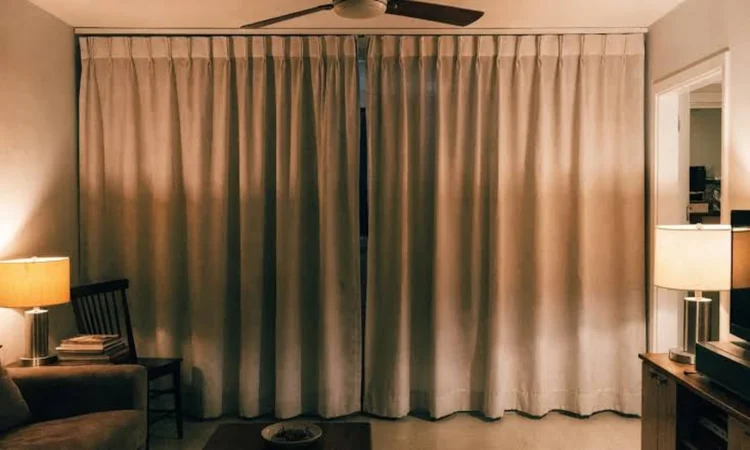
The word soundproof gets used loosely in furnishing listings, and it is worth being sceptical of it before spending on new window treatments. No fabric curtain removes sound entirely; what a well-specified soundproof curtain singapore shopper is actually buying is a meaningful reduction in the noise that reaches a room, achieved through density, layering and how completely the panel covers the opening rather than any single magic material.
Why “Soundproof” Is a Misleading Label
Genuine soundproofing, in the strict acoustic sense, involves stopping sound transmission almost entirely, which requires mass, airtight seals and often structural changes to walls or glazing. Curtains work by absorption rather than isolation, softening noise rather than eliminating it. Understanding this distinction early prevents disappointment, since a shopper expecting silence will always feel let down by even a well-made fabric panel, no matter how correctly it has been specified. Setting expectations around reduction rather than elimination also makes it easier to judge whether a product has actually worked once installed.
Singapore’s Particular Noise Challenges
Dense housing means many homes sit close to expressways, MRT viaducts or busy arterial roads, producing a constant low hum rather than isolated loud events. Construction noise from nearby developments adds an unpredictable layer that changes month to month. Because this ambient noise tends to be continuous rather than occasional, even a modest reduction throughout the day and night adds up to a noticeably calmer home over time. Residents near active construction sites often notice the difference most sharply on weekday mornings, when nearby works typically begin.
HDB Versus Condo Considerations
HDB flats often have shorter distances between the window and busy roads or void decks, which can mean higher ambient noise despite smaller unit sizes. Condominiums closer to expressways or MRT lines face similar issues but sometimes have deeper corridors or landscaping that buffers some sound before it reaches the window. Either way, the specific noise source, whether it is traffic, transit or neighbours, should guide the choice of a heavy-weave acoustic fabric suited to Singapore’s climate more than the building type itself.
What Local Climate Means for Fabric Choice
Singapore’s humidity accelerates mould growth in fabrics that trap moisture, so breathable backing materials and mildew-resistant treatments matter more here than in drier climates. Heavier acoustic fabrics can also make a room feel warmer if paired with poor ventilation, so it is worth considering how the curtain interacts with air conditioning placement, not just how it performs against noise alone. Fabrics with a synthetic blend rather than pure natural fibre tend to resist humidity-related sagging and odour better over several years of tropical use.
Track and Rail Systems That Support Heavier Fabric
Acoustic fabric is considerably heavier than standard drapery, and a track rated for lighter curtains will sag or fail over time under sustained load. Reinforced aluminium tracks, ideally wall-mounted rather than fixed only to plasterboard ceilings, are worth the modest additional cost. This detail is frequently overlooked until a curtain that performs well acoustically starts pulling away from its fittings within a year.
Comparing Suppliers and What Warranties Cover
Ask specifically whether a warranty covers fabric performance, stitching, or both, since some cover only manufacturing defects rather than any drop in acoustic performance over time. Request to see or touch a fabric sample before committing, since density and weave are difficult to judge from a photograph, and the difference between two similarly priced fabrics can be substantial once installed.
Installation Timelines to Expect
Made-to-measure acoustic curtains typically take one to three weeks from measurement to installation, longer than off-the-shelf options, since the heavier fabric and reinforced tracks are usually ordered rather than stocked. Booking installation around other renovation work, rather than treating it as a final finishing touch, avoids delays if wall or ceiling access is needed for a properly reinforced track. Scheduling it before final painting also prevents scuff marks from installation tools on freshly finished walls.
Balancing Light Control With Noise Control
A curtain optimised purely for acoustic absorption is not always the best for blackout performance, and vice versa, since the two properties depend on slightly different fabric characteristics. Layered systems, combining a sheer or blackout layer with a separate acoustic panel, let a household tune light and noise control independently rather than compromising on a single fabric that does both adequately.
Budgeting for a Full Room Versus a Single Window
Treating every window in a bedroom, rather than only the one facing the busiest road, produces a more consistent result, since sound can still enter through an untreated opening on a quieter-seeming side. Budgeting for full coverage from the outset, even if installed in stages, tends to be more cost-effective than upgrading a single window twice after an initial partial fix proves insufficient.
Making a Confident Choice for Your Home
Start by identifying the dominant noise source and the times of day it is worst, since this determines whether a lighter acoustic weave or a denser, mass-loaded fabric makes more sense. Confirm track strength and warranty terms before comparing price alone. A soundproof curtain singapore chosen with these factors in mind will deliver a noticeably calmer home, even without promising complete silence.