
The instinct when a toilet will not clear is to try the next thing, then the thing after that, and the sequence usually escalates: more flushing, then a chemical product, then something improvised pushed down the bowl. Each step feels reasonable in the moment and several of them actively make the situation worse, turning a straightforward blockage into an overflow, a damaged pipe, or a job that now involves removing the toilet. Six mistakes account for most of the damage done while trying to clear a toilet choke in Singapore, and avoiding them costs nothing.
1. Flushing Repeatedly to See If It Clears
The first flush tells you there is a blockage. The second and third simply add water to a bowl that cannot drain, and the overflow point arrives faster than most people expect.
If a flush does not clear, stop flushing. Remove the cistern lid and push the flapper closed, or shut the isolation valve behind the toilet, so an accidental flush cannot happen while you work. That single step prevents most overflow incidents.
2. Using Chemical Drain Cleaners in a Toilet
Chemical products are designed for grease and hair in sink and shower lines, and they are poorly suited to toilet blockages, which are usually paper, wipes, or an object rather than a dissolvable deposit.
Worse, the chemicals sit in the standing water doing little while remaining hazardous to anyone who subsequently plunges, reaches into the bowl, or has to be called out to the job. When a plumber eventually attends a toilet bowl choke in Singapore and finds caustic product sitting in the bowl, the work becomes more awkward and more dangerous than it needed to be, and it is worth mentioning upfront if you have already used something.
3. Using the Wrong Type of Plunger
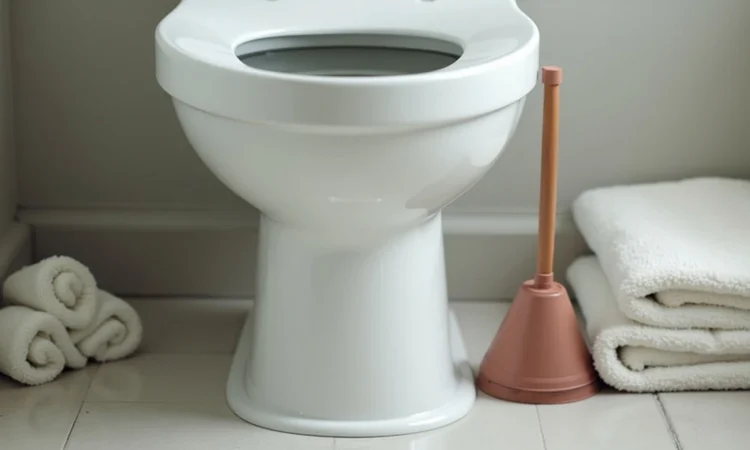
The flat-cup plunger most households own is designed for sinks. It cannot seal against the curved outlet of a toilet bowl, so most of the force escapes rather than transferring down the pipe.
A flange plunger, with an extended rubber sleeve that fits into the outlet, forms a proper seal. The difference in effectiveness is substantial, and plenty of blockages that resist a flat plunger clear in a few strokes with the right one.
4. Pushing Objects Down the Bowl to Clear It
Wire hangers, broom handles, and improvised tools are a common escalation and a bad one. The porcelain scratches easily, the trap can be cracked, and an object pushed further in becomes considerably harder to retrieve than one sitting near the top.
If something solid has been dropped in, pushing it deeper converts a retrievable situation into one that may require removing the toilet entirely.
5. Ignoring the Signs That the Problem Is Not the Toilet
If other fixtures gurgle when the toilet is flushed, if the shower backs up, or if more than one fixture drains slowly, the blockage is in the shared line rather than the toilet.
Continuing to work on the toilet in that situation achieves nothing, and the longer it continues the more likely a backup appears elsewhere. Multiple affected fixtures is a signal to stop and call someone rather than persist.
6. Not Protecting the Floor Before Starting
Plunging displaces water, and whatever comes out of the bowl is waste water. Laying towels or sheeting around the base before starting takes thirty seconds and saves cleaning a bathroom floor afterward.
Gloves and eye protection are also worth having on, particularly if the bowl water has been sitting.
Knowing When to Stop Trying
A reasonable limit is a few proper attempts with a flange plunger. If the water level is not moving after that, or if it rises rather than falls, further effort tends to produce mess rather than progress.
The useful information to pass on when calling is what you have already tried, whether any chemical product is in the bowl, whether anything solid was dropped in, and whether other fixtures are affected. That detail shapes what the plumber brings and how they approach it, and it saves a diagnostic conversation at the door while water is sitting where it should not be.
Contact QB Plumbing if a toilet blockage is not clearing and you would rather not risk making it worse.