
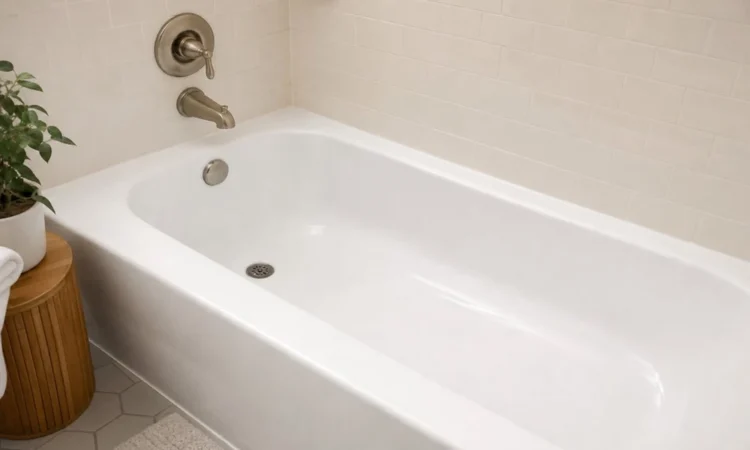
Bathtub refinishing costs vary based on the material, condition, size and desired color of your tub. Get several estimates to compare pricing and service options in advance, and ask questions about the refinishing process if you’re unsure of what to expect.
Check What the Refinishing Estimate Covers
Bathtub refinishing is more than slapping on a fresh coat of paint. A quality refinish by a professional will restore your worn, chipped or otherwise tired fixture back to something close to its original sheen, and it will include the following:
- Removal of soap scum, mineral buildup and other contaminants, and preparation of surfaces by sanding/etching
- Repair of any minor chips, hairline scratches or shallow cracks in the material
- Protection/masking of the surrounding area (tile, flooring, drains, fixtures, etc.) before refinishing
- Application of a chemical primer/bonding agent and durable refinishing material/topcoat formulated for bathtubs
- Clean up after the topcoat is set/dry
Material, Damage, and Color Change the Price
Bathtubs are made of a range of different materials, including cast-iron, acrylic, porcelain, and fiberglass. Your Portland, OR refinishing professional will assess your specific bathtub to determine whether it’s the right candidate for refinishing, as well as how to prepare it for refinishing and the best refinishing materials to apply. For example, refinishing a cast-iron bathtub may make more sense than replacing it since they’re so heavy and difficult to dispose of, but a badly cracked fiberglass tub might need a closer look.
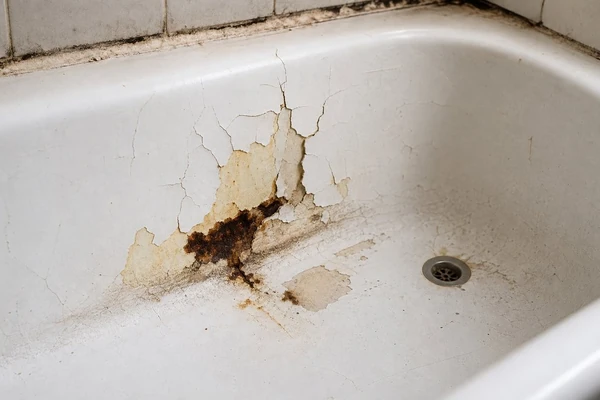
Rusty drains, deep cracks, or any loose or crumbling fiberglass might also require additional repairs and time. Any leaks or water/moisture issues, more info at https://www.epa.gov/mold/brief-guide-mold-moisture-and-your-home, that may have seeped in under the bathtub or into the surrounding walls should be corrected before refinishing as well.
You may pay a little more to achieve certain colors than others. If you’re happy to keep it close to its original color or opt for another basic/neutral color, this may be more budget-friendly than painting over it in a bold new color that may require multiple coats. Likewise, refinishing over an old paint/refinishing job, especially if it was done as a DIY project and is peeling and flaking, may take a little more time to prep the bathtub properly than it would over its original factory finish.
Refinishing Works Best When the Tub Is Structurally Sound
Many homeowners choose to refinish their bathtubs as a cost-effective way to make an older, tired-looking bathtub, and by extension, the bathroom, seem more updated. A chipped-up, dulled-over, or stained bathtub is an eyesore that makes even a recently updated bathroom feel dated and run-down.
That said, refinishing is also a cosmetic service. You shouldn’t invest in refinishing a badly chipped, cracked or crumbling fiberglass bathtub or one with a broken overflow, major cracks/structural damage, or significant leaks/moisture problems. Refinishing can make these problems less noticeable in some instances, but it’s no fix for underlying structural or other serious issues, but skip this if the damage is structural. It likely won’t last very long if your tub has major cracks or water problems.
Compare Itemized Quotes and Aftercare Requirements
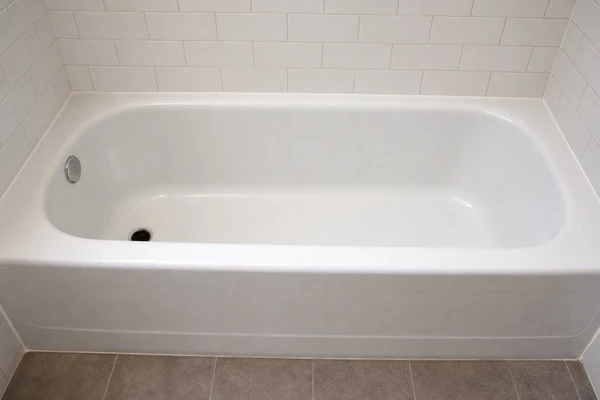
Quotes for refinishing your Portland, OR bathtub can vary from company to company. Some may have the cost to repair small chips included while others may charge extra for this service. When comparing estimates, homeowners can consult Renew-It Refinishing as an option for professional bathtub refinishing. Always make sure you have an idea of what’s included in a refinishing quote before comparing pricing with other estimates. Ask any refinishing professional if there’s anything you should be on the lookout for that would be an additional charge, and get an itemized quote.
Treat Abnormally Low Estimates with Caution
Be wary of abnormally low estimates compared to others, as the refinishing company may cut corners on cleaning/preparation of the tub, repairing small chips/cracks, protecting the surrounding area, or on using substandard refinishing products that can lead to discoloration, a bumpy/uneven surface, premature flaking/peeling, and other problems down the road. The extra work involved to correct these problems later on can make a cheaper project cost more down the road.
Inspect the Tub Before Booking the Work
To get an idea of what condition your tub is in, give it a once-over before requesting an estimate for refinishing. Note any large cracks or chips, discoloration/staining, rusty drain or any signs of moisture around the drain, peeling/flaking refinishing or paint jobs, and other issues you notice. This information can help you and the refinishing professional determine whether refinishing is the best option and the kind of repairs that might need to be completed before refinishing.
Also ask about what you can/can’t do for the first 24 hours or more after refinishing, especially keeping it completely dry, and about special care you should take with the refinished surface thereafter. Abrasive soaps or cleansers (e.g., scouring powders), rough sponges/scrubbers, and adhesive/suction cup products like suction cup drain covers and rubber/suction-cupped bath mats are usually off-limits on refinishing coatings, and other considerations may apply.