
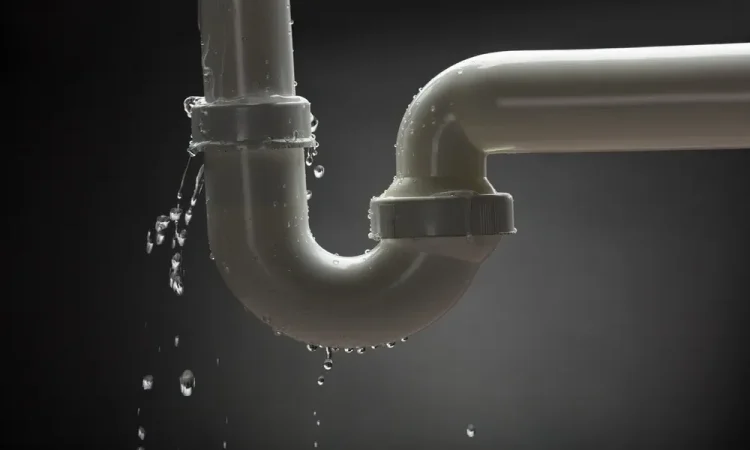
People often assume that finding a leak is the easy part and fixing it is the hard part. In practice it is frequently the other way round. Water travels along pipes, slabs and joints before it shows, so the damp patch is rarely sitting directly under the fault. What a water leaking specialist brings to the job is mostly method: a set of tests that narrow down where the water is really coming from before anyone picks up a hammer.
Why Guessing Is Expensive
Opening a wall or hacking a floor to look for a leak is slow, noisy and costly to reinstate. If the guess is wrong, the owner pays for the damage and still has the leak. Systematic detection reduces that risk by confirming the source first, so any opening up is small and targeted. It also gives the owner something concrete to show a neighbour or managing agent when responsibility is in question. That is why the testing stage is worth paying for even when the repair itself looks simple.
Visual Inspection and Moisture Meters
Every investigation starts with looking. An experienced technician reads stain patterns, checks grout, sealant and tile condition, and notes where pipes run. A moisture meter then gives readings across walls, floors and ceilings, showing where moisture is highest and how far it has spread. Mapping these readings often points towards the source, since moisture tends to be strongest close to where water enters. Readings taken on two or three visits also show whether an area is drying out or getting wetter.
Thermal Imaging
Infrared cameras detect small temperature differences on a surface. Wet areas usually read cooler than dry ones because evaporation draws heat away, so a thermal image can show the outline of damp patches and the path water takes behind a finish. It is useful for tracing concealed pipes and large areas quickly. Thermal imaging shows where to look, though, not exactly what has failed, so it is usually paired with other tests.
Ponding and Flood Tests
For floors, particularly bathrooms, balconies and flat roofs, a ponding test is one of the most reliable methods. The drain is blocked and the floor is flooded to a shallow depth for a set period, often a day or more, while the ceiling below is watched. If a stain appears or grows, the floor waterproofing is failing. If nothing changes, attention moves to pipes, walls or the unit above. For roofs and balconies, the test is often repeated after the repair to confirm the new waterproofing holds.
Pressure Testing Pipes
Water supply pipes are tested by isolating a section and pressurising it, then watching a gauge. A falling reading means water is escaping somewhere along that run. Testing sections one at a time narrows the leak to a specific stretch of pipe. Common situations where this test is useful include:
- A water meter that keeps turning with every tap closed
- A damp patch on a wall with a concealed pipe behind it
- A bill that has risen without any change in household use
Dye and Acoustic Methods
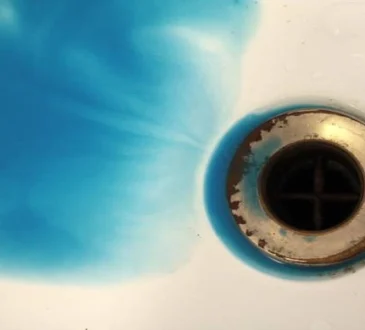
Coloured dye added to drains, floor traps or water tanks helps confirm which source is reaching a damp spot, because the colour shows up where water emerges. Acoustic detection uses sensitive microphones to pick up the sound of water escaping from pressurised pipes, which is useful under floors and in walls. Both are supporting tools that strengthen a diagnosis rather than replacing the basic tests. They are most valuable when earlier results point in two directions at once.
Matching the Method to the Leak
A good water leaking specialist chooses tests based on the symptoms rather than running the same routine every time. A rough guide:
- Ceiling stain below a bathroom: ponding test and moisture readings
- Damp wall with no obvious source: thermal imaging and pressure testing
- Leak only during heavy rain: roof, window and external wall inspection
- Rising water bill: meter test and section-by-section pressure testing
What a Good Report Contains
After testing, ask for findings in writing. A useful report states which tests were done, what each one showed, the likely source and the recommended repair. Photographs and moisture readings support the conclusion. This matters if the leak involves a neighbour or a management corporation, because a clear record helps settle who is responsible and avoids repeated investigations.
Limits of Any Detection Method
No method is perfect. Leaks that appear only during heavy storms can be hard to reproduce on a dry day, and intermittent plumbing leaks may stop while testing is under way. Sometimes two sources contribute to one stain. A careful investigator says so when results are inconclusive and suggests follow-up tests, rather than presenting a guess as certainty.
Choosing Who to Call
Look for someone who explains their testing plan before they start, uses more than one method and puts the results in writing. Ask whether they handle both the detection and the repair, and whether the repair is guaranteed against the diagnosed cause. A team that offers professional leak detection services should welcome questions about how they reached a conclusion, because a confident diagnosis is one that can be explained.