
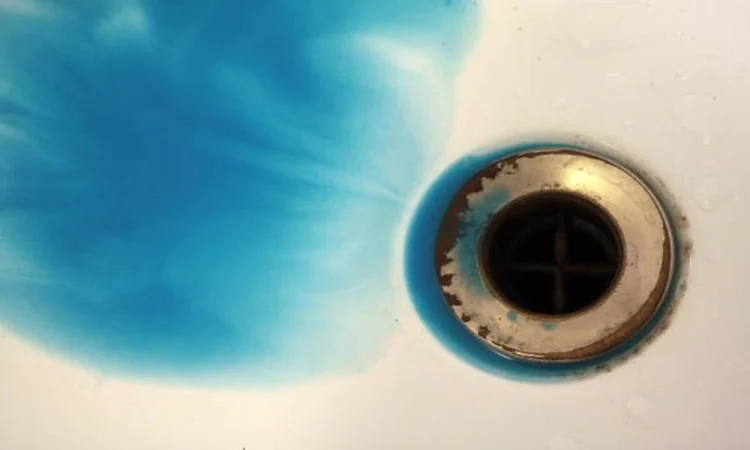
It usually starts as a faint turquoise ring under the bathtub faucet. Then it shows up on the shower floor, at the base of the toilet bowl, and around the kitchen drain. Most people grab a stronger cleaner and move on. That stain is copper, though, and it came out of the pipes inside your walls. Something in the water has been slowly dissolving them.
Well water across the South Carolina Midlands is often like this. A lot of the groundwater under Lexington, Saluda and Aiken Counties moves through sandy Coastal Plain soils that do very little to buffer acidity. Rainwater picks up carbon dioxide on the way down, soaks through those sands, and reaches the aquifer with a pH well below neutral. Plumbing chemists call water like that “aggressive.” Until it finds metal it can dissolve, it keeps eating.
Homeowners on private wells who notice these early clues often bring in a local team such as Smooth Waters Plumbing to test the water and look over the well system. Getting a diagnosis early matters because acidic water causes very little damage in any single month, but the damage adds up for years.
Following the Water From Aquifer to Faucet
It helps to trace acidic water along its route through the house. Each stop wears down in its own way, and the clues at each one look different.
Down in the well
The pump sits deep in the casing and survives better than you might expect, since most modern submersible pumps use stainless steel and plastic parts. Older systems are less forgiving. Galvanized drop pipe, brass fittings and steel well casings all corrode slowly in low pH water. Rust and scale come loose and travel up the line. When a pump has to push through roughened, partly blocked pipe, it runs longer every cycle, and that shortens its life.
At the pressure tank
The pressure tank is where many well owners first notice trouble without connecting it to water chemistry. Sediment from corroded parts collects at the bottom. Tank fittings pit and weep. If the diaphragm or bladder fails, the tank becomes waterlogged and the pump starts short cycling. You can hear it click on and off every few seconds whenever a faucet runs. That rapid cycling wears out pump motors and pressure switches faster than almost anything else.
Inside the walls
Copper supply lines take the worst of it. Acidic water slowly strips the inside surface of the pipe. Where the water speeds up or turns sharply, such as at elbows, tees and spots near the water heater, the wall thins until a pinhole opens. A pinhole leak behind drywall can drip for weeks before a stain or soft spot shows up. In homes plumbed before the late 1980s, soldered joints may contain lead, and acidic water is very good at pulling lead into what you drink.
At the water heater
Heat speeds up corrosion. The anode rod, which exists to corrode so the tank doesn’t, gets used up faster than normal. After that the steel tank becomes the target. Rust colored hot water, a metallic smell, or a heater that starts leaking from the bottom years early can all point back to the well’s chemistry.
Clues Around the House Worth Paying Attention To
Most of the evidence is visible if you know what each sign means. These are the ones that point toward low pH or the problems that come with it:
- Blue or green streaks in sinks, tubs and toilet bowls, which usually mean copper is leaving the pipes
- Water with a bitter or metallic taste, especially first thing in the morning after it has sat in the lines overnight
- Reddish orange stains, which usually come from dissolved iron, and black smudges, which point to manganese
- Light-colored hair that takes on a faint green tint after a while
- Small leaks showing up in different parts of the house over a few years instead of one pipe failing all at once
- A pump that cycles more often than it used to, or water pressure that slowly drops
A single sign on its own doesn’t prove anything. When two or three of them show up together, it’s time to test the water.
Numbers Tell the Real Story
Guessing at water chemistry costs money. A proper test tells you which treatment you need and which ones you can skip. Clemson Extension’s guidance on residential well water quality explains that the recommended pH range for drinking water is 6.5 to 8.5. It also points out that keeping a private well tested and maintained is the owner’s job, because no utility is doing it for you.
A useful well panel looks at more than pH. Iron, manganese, hardness, copper and lead give the full picture, and a bacteria test should be run every year whatever else the results show. Take the sample from a tap that has been sitting overnight, then compare it with one taken after the water has run for a few minutes. If copper or lead is high in the first draw and drops in the second, the pipes are the source, not the aquifer.
Treatment Comes in More Than One Strength
How far the pH falls below neutral decides how you fix it.
For water that is only a little acidic, a calcite neutralizer is the usual choice. It’s a tank filled with crushed limestone, and as water passes through, it dissolves a small amount of the mineral and comes out closer to neutral. The calcite gets used up over time, so it has to be refilled once or twice a year. It also adds some hardness to the water, so homes already dealing with scale might need a softener after it.
For water that starts out far more acidic, calcite usually can’t keep up. In those homes, a small metering pump injects a soda ash solution into the line before the pressure tank. It’s more precise and handles very low pH, but someone has to keep the solution tank topped up and check the dose now and then.
Iron and manganese generally call for a separate filter, and the order of equipment matters. Most setups neutralize the water first, since many iron filters work better once the pH has been raised. A sediment filter at the front of the line keeps loose debris from fouling everything after it.
Living Well With a Private Well
Treatment equipment only works if someone takes care of it. Mark refill dates on the calendar for neutralizer media and chemical feed. Check the pressure tank’s air charge once a year with the water off and the tank drained. Flush the water heater so sediment doesn’t build up over the burner or lower element. Test again after any treatment change to make sure the new numbers are actually where they should be.
Once the pH is back in range, the blue green rings fade and stop coming back. The pump runs normal cycles, the heater lasts its full life, and the copper inside the walls should last for many more years.