
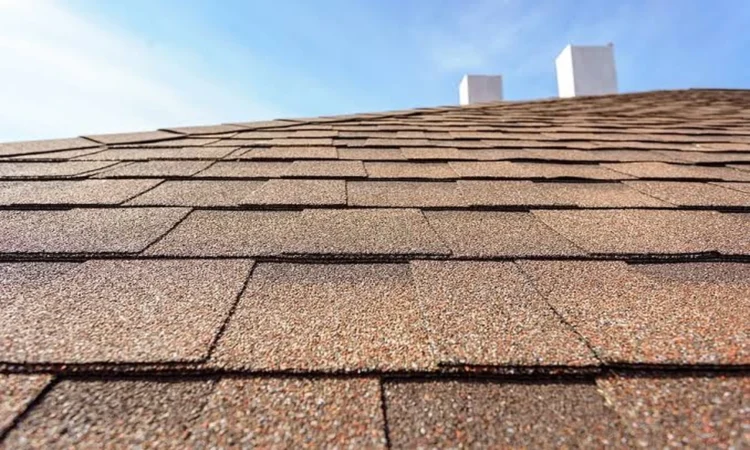
Walk to the lowest corner of the house, where the gutter meets the roof edge, and look closely at the shingles hanging over the drip edge. A single clean line usually means one layer. A thicker, slightly stepped edge often means someone already roofed over the original shingles years ago. That small detail decides more about the next roof than most homeowners realize, because it determines whether laying new shingles over old ones is even an option.
Across Jefferson County, plenty of houses built between the 1950s and 1980s have already been through two or three roof cycles, and not every previous owner paid for a full strip. Roofers working older neighborhoods regularly find one asphalt layer sitting on another, and now and then both resting on original wood shingles. When age or a hailstorm forces the next decision, the choice between covering up and starting fresh shapes the cost, the lifespan and how much anyone actually knows about the wood underneath.
A straight answer usually begins when a Louisville Metro/jefferson County roofing company lifts a few shingles at the edge and checks the deck before any number lands on paper. The crew behind citadelroofingusa.com works that way, opening every job with a free inspection and explaining whether repair or replacement fits before recommending either. With more than 40 years in the trade and offices in both Louisville and Indianapolis, the company backs complete replacements with a five year workmanship warranty and requires its crews to carry their own liability and workers’ comp coverage.
Some Roofs Are Ruled Out Before Price Comes Up
Louisville Metro’s reroofing guidance follows the model residential code, and the National Roofing Contractors Association’s overview of those reroofing provisions shows how a full replacement means removing every old layer down to the deck, with a new covering over an existing one allowed only in certain situations. Even then, the new material has to go on according to the manufacturer’s instructions. Covering over is off the table in a few clear cases.
- The existing roof is water soaked or too damaged to carry another layer.
- Two or more layers of roofing are already in place.
- The current covering is slate, clay tile, cement tile or asbestos cement tile.
That second point catches a lot of Louisville homes. If the stepped edge at the gutter shows two layers, the decision has already been made, and the next roof starts from bare wood.
The guidance also covers the pieces around the shingles. Rusted or deteriorated flashings, vents and outlets have to be replaced instead of reused, and flashing must be rebuilt following the manufacturer’s directions. Houses with old wood shakes carry an extra wrinkle. Laying a new roof over shakes can leave hidden gaps that would feed a fire, so the surface needs a fire resistant layer such as gypsum board or mineral fiber first, though metal panels, metal shingles and concrete or clay tiles are specifically allowed over existing shakes.
One more detail matters here. In general, a straightforward reroof in Louisville Metro doesn’t need a building permit, which means no city inspector looks at the work. A permit becomes necessary once structural parts like the deck or rafters are being replaced. In most cases, the contractor’s own standards are the only check the job gets.
The Honest Case for a Second Layer
Overlays get dismissed too quickly sometimes. When a house has exactly one layer that still lies flat, shows no curling or soaking, and sits on a deck that feels firm, a second layer can be a sensible call. Skipping the tear off removes a day or more of labor, cuts disposal fees and keeps a mountain of old shingles out of the flower beds.
There is a weather advantage as well. During a tear off, the house sits partly open for a stretch, and spring storms in the Ohio Valley can build quickly. An overlay never exposes the deck, so a surprise shower is an inconvenience rather than an emergency. For someone planning to sell within a few years, or working with a tight budget after other repairs, those savings can be real.
What Disappears Under the Second Layer
The biggest loss is visibility. Once new shingles go over old ones, nobody sees the deck again until the next replacement. Soft plywood near a chimney, rot along the eaves from years of ice damming, or nails that have backed out all stay hidden. A tear off is the only point in a roof’s life when every board can be checked and the bad ones swapped out.
Weight is the next concern. A layer of asphalt shingles adds roughly two to four pounds per square foot depending on the product, which on an average house can mean several thousand extra pounds resting on rafters that were sized decades ago. The city’s guidance specifically says the structure must be strong enough to hold the new materials before anything is installed.
Then there are the details that shape how long a roof lasts.
- New shingles laid over curled or cupped ones tend to mirror those bumps, which looks uneven and can weaken the seal between courses.
- Starting from the deck allows fresh ice barrier membrane at the eaves and valleys, which matters in a climate where winter brings repeated freezing and thawing.
- Some shingle manufacturers limit or exclude their stronger warranty programs on roofs installed over an existing layer, so the paperwork deserves a careful read.
- Nails must travel through two layers to reach solid wood, which demands longer fasteners and more care to hold properly in high winds.
The Savings Have a Due Date
An overlay feels cheaper on the day the invoice arrives, and it usually is. The catch shows up at the following replacement. Because a third layer isn’t allowed, whoever owns the house next will pay to remove two layers instead of one, along with any deck repairs that went unnoticed while hidden. In practice, part of today’s savings simply moves forward in time and picks up interest in the form of extra labor and disposal.
Lifespan plays into that math too. Many roofers find that a layered roof runs a little hotter and wears faster than one installed directly on a vented deck, which shortens the stretch before the bill comes due. Home inspectors also note layer counts during a sale, and buyers who know what two layers mean often factor the future tear off into their offer.
Matching the Choice to the House
Neither option is wrong in every case. A single flat layer on a solid deck, an owner with a short horizon and a roof free of rot can make an overlay a fair trade. A house with two existing layers, any sign of water soaking, a history of ice dams or an owner planning to stay for decades points firmly toward stripping it bare. The edge of the roof above the gutter is where that conversation should begin, because a careful look at those few inches usually tells the rest of the story.