
Canadian winters have a reputation for pushing outdoor materials to their limits. Blizzards, biting cold, blinding sunlight, and weeks of freezing rain can all test the resilience of anything affixed to your home, including your address sign. Whether you live in a Victorian in Riverdale or a sleek new build in North York, choosing the right materials for a custom address plaque is essential for both style and longevity.
What Challenges Do Harsh Canadian Winters Pose for Address Signs?
Toronto’s climate is a study in extremes. Winter brings relentless cycles of freezing and thawing, thick layers of snow, and the corrosive effects of road salt drifting through the air. As if that wasn’t enough, the transition to summer bombards outdoor materials with intense UV rays and moisture from sudden storms.
How Do Cold, Snow, and Ice Affect Materials?
Repeated freezing and thawing can cause some materials to expand and contract, leading to cracks or warped surfaces. Snow and ice add persistent moisture, which can penetrate porous materials and accelerate decay.
The Impact of UV Rays and Moisture Over Time
After surviving winter, address signs face another hurdle: summer sun. UV rays can bleach finishes, while humidity and rain challenge the integrity of joints and adhesives. Even the most beautiful sign can lose its luster if its material isn’t suited for four distinct seasons.
Which Materials Are Best Suited for Durability and Style?
Not all materials are created equal. The best address signs for Canadian weather are chosen for both their resilience and their ability to complement different architectural styles.
Metals: Bronze, Brass, Aluminum, and Stainless Steel
Metals remain a top choice. Bronze and brass offer classic appeal and develop a patina that can look beautiful over time, while aluminum and stainless steel deliver a modern, clean look. These metals are highly resistant to rust and corrosion, especially when paired with protective coatings. Aluminum, in particular, is lightweight and doesn’t corrode easily, making it a practical option for exposed locations.
Natural Stone: Slate and Its Weather Resistance
Slate is a classic for good reason. Dense and non-porous, it shrugs off moisture and resists cracking in the cold. Its natural texture lends a timeless feel and pairs well with both traditional and modern exteriors. Other stones can work, but slate’s durability makes it a standout for Canadian climates.
Synthetic Options: Acrylic and Weatherproof Plastics
For those interested in bold colors or intricate shapes, acrylic and advanced weatherproof plastics are worth considering. These materials resist fading, cracking, and warping, and can be cut precisely. Acrylic, in particular, offers a glossy finish that stands up well to UV rays and moisture.
How Do Finishes and Coatings Enhance Longevity?
The base material is only part of the equation. Protective coatings can make the difference between a sign that fades in a year and one that looks sharp for a decade.
Protective Coatings Against Rust and Corrosion
Rust is a silent enemy, especially in cities where road salt is common. Clear powder coatings or specialized sealants can protect metals from oxidation and corrosion, keeping signs intact and attractive.
UV-Resistant Finishes for Color Retention
UV-resistant lacquers or paints prevent sunlight from fading vibrant colors. High-quality finishes are vital for synthetic materials and any sign that faces south or west.
Anti-Fade and Scratch-Resistant Treatments
For homes exposed to wind-blown grit or regular contact, scratch-resistant coatings help maintain a crisp appearance. These treatments are especially important for address signs near busy sidewalks or driveways.
What Design Considerations Improve Visibility and Durability?
A brilliant material can only go so far if the sign isn’t easy to read or properly mounted.
Ideal Size and Placement for Visibility in Snow and Low Light
Numbers need to be large enough to stay visible even when snow banks are high or daylight is scarce. Placement matters as well: the higher and more central the sign, the better the visibility.
Mounting Techniques for Brick, Stone, and Wood Surfaces
Proper mounting ensures signs withstand wind and temperature changes. On brick or stone, using anchors and templates guarantees stability and perfect spacing. For wood, weatherproof screws and backplates add longevity.
Illuminated vs Non-Illuminated Numbers: Benefits and Drawbacks
Illuminated signs, particularly halo-lit options, ensure visibility during long winter nights, although they require more planning and power. Non-illuminated signs are simpler and suit areas with ample street lighting.
How to Choose an Address Sign That Complements Your Home’s Architecture?
With so many house styles across Toronto, the address sign should feel like a natural extension of the building.
Matching Materials and Styles to Traditional and Modern Homes
A slate or bronze plaque looks right at home on a Victorian, while brushed aluminum or acrylic may better suit contemporary architecture.
Customization Options for Unique Neighborhood Aesthetics
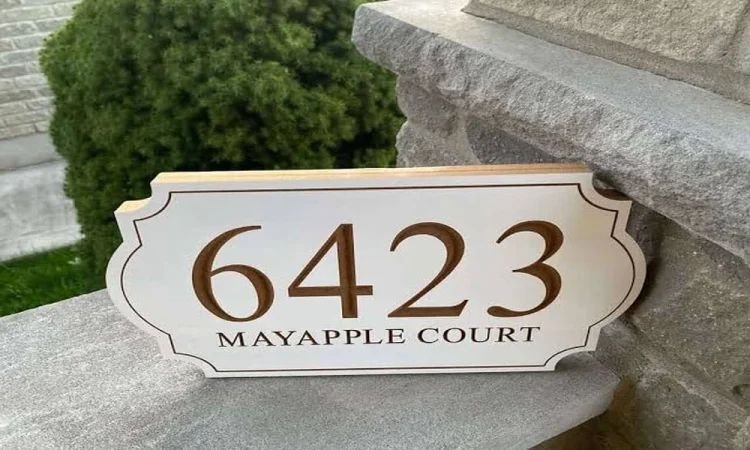
Options abound for integrating street names, family names, or unit numbers. Customization also extends to finishes and shapes, letting you echo the curves of a turret or the lines of a bay window.
Balancing Practicality with Curb Appeal
The best address sign doesn’t just survive the weather. It should also lift your home’s curb appeal and make a strong first impression.
What Are the Installation and Maintenance Best Practices?
A well-made sign deserves careful installation and regular upkeep.
DIY Installation Tips and When to Hire Professionals
Detailed templates and instructions help with DIY mounting, but for complex placements (like on stone or high façades), professional installation is safer and cleaner.
Seasonal Maintenance to Prevent Damage and Fading
A quick seasonal wipe-down and a check for loose hardware go a long way. Clearing snow and debris prevents moisture from accumulating against the sign.
Long-Term Care to Extend Sign Lifespan
Reapplying protective coatings every few years and inspecting for chips or scratches ensures the sign remains both functional and attractive.
Where Can Toronto Residents Find Custom Address Signs Designed for Harsh Weather?
Homeowners in Toronto are fortunate to have local experts focused on both design and durability. Makers like Orthografica Toronto specialize in custom plaques and numbers, offering materials tailored to withstand harsh climates and complement any architectural style. Their process includes consultation, design refinement, and expert fabrication, ensuring each sign is as unique as the home it marks.
Frequently Asked Questions About Custom Address Signs in Harsh Canadian Weather
How long will my sign last outdoors?
With quality materials and proper care, expect most signs to last 10 years or more, even longer for stone and coated metals.
Can signs be mounted on different surfaces?
Yes, mounting methods can be customized for brick, stone, wood, or composite cladding, guaranteeing both stability and style.
Are illuminated signs worth the investment in Canadian winters?
If visibility after dark is important or your home sits far from streetlights, illuminated numbers are a practical choice.
What sizes work best for visibility from the street?
Larger numbers (at least 4 inches tall) are typically best, especially for homes set back from the curb or on wide streets.
Choosing the right materials and a reputable local maker ensures your address sign endures Toronto’s climate, and makes a statement in every season.