

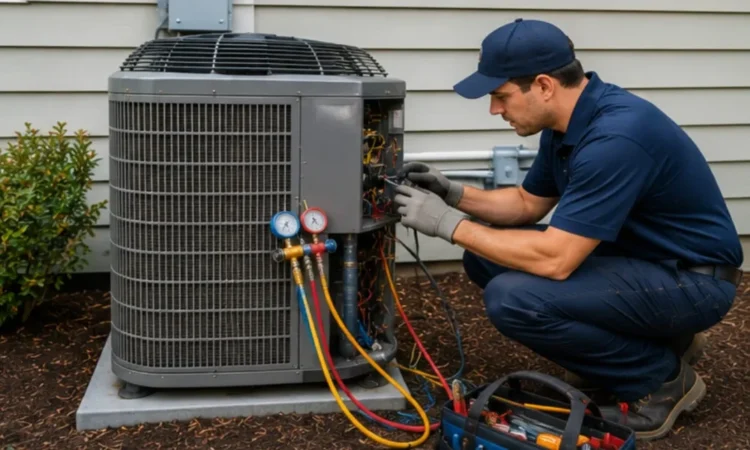
On a scorching South Texas afternoon, an air conditioner may run for hours without reaching the thermostat setting. That does not automatically mean it is broken. San Antonio’s long cooling season, intense sunshine and humid spells put sustained pressure on equipment, especially when dirty coils, restricted airflow or attic duct leaks add to the workload.
For homeowners seeking residential hvac repair in San Antonio, 1st Choice Heating and Air Conditioning is an option to consider for troubleshooting cooling problems. Ask about diagnostic charges, appointment availability and written repair estimates before scheduling.
Why Local Conditions Make Equipment Work Harder
An air conditioner moves heat outdoors rather than simply producing cold air. As outdoor temperatures climb, releasing that heat becomes harder. The compressor works against higher pressure, and longer operating periods add wear to motors and electrical components.
Attic installations face another challenge. Poorly ventilated attics can exceed 130°F, exposing ductwork and air handlers to temperatures far above the living space. Damaged insulation and leaking duct connections allow unwanted heat into the cooling system.
Humidity adds work, too. The indoor coil must remove moisture as well as lower the temperature. Meanwhile, dust, grass clippings and cottonwood fluff can restrict airflow through the outdoor coil.
There is no dependable rule that Texas heat cuts every component’s lifespan in half. Installation quality, maintenance, equipment sizing and operating conditions all matter.
Common Failures and What Repairs May Cost
Symptoms help narrow the possibilities, but they rarely identify a failed part with certainty. A humming outdoor unit, for example, could have a capacitor problem, a seized motor or another electrical fault.
These are broad budgeting ranges, not verified San Antonio averages. Equipment type, warranty coverage, refrigerant and access can substantially change the final bill.
| What you notice | Possible cause | Approximate repair cost |
|---|---|---|
| Outdoor unit hums but will not start | Capacitor or contactor fault | $150 to $450 |
| Water near the indoor unit or unexpected shutdown | Blocked condensate drain | $100 to $400 |
| Weak airflow or unusual indoor noise | Blower motor failure | $400 to $1,500 or more |
| Outdoor fan stops or runs unevenly | Condenser fan motor failure | $300 to $900 |
| Ice, weak cooling or repeated refrigerant loss | Airflow restriction or refrigerant leak | $200 to $2,000 or more |
| Repeated electrical trips or confirmed compressor failure | Compressor fault | $1,500 to $4,000 or more |
Diagnostic fees often add approximately $75 to $200 unless credited toward approved repairs. Emergency service may cost extra. Ask whether estimates include labor, refrigerant, testing and disposal.
Small Electrical Parts Can Cause Big Interruptions
Many conventional systems use capacitors to help motors start or run correctly. Heat and electrical stress can degrade these components. Contactors, which switch power to equipment, can also develop worn or damaged contacts.
A system that struggles mainly during hot afternoons needs more than an automatic capacitor replacement. Dirty coils, poor airflow, incorrect refrigerant charge and inadequate capacity can produce similar complaints.
Electrical diagnosis belongs to a qualified technician. Capacitors can retain a dangerous charge after power is disconnected, and outdoor equipment contains hazardous voltage.
Drain Problems Can Become Ceiling Problems
Moisture removed from indoor air collects beneath the evaporator coil and flows through a condensate drain. Sludge and debris can block that pipe.
Where installed and working properly, a float switch shuts cooling down before water overflows. Without effective overflow protection, an attic installation can damage insulation, drywall and ceilings.
Watch for:
- Water around the indoor equipment.
- New ceiling stains beneath an attic unit.
- Overflow from a secondary drain outlet.
- A shutdown accompanied by water in the auxiliary pan.
Turn cooling off if water is escaping. Have the drain, pan and overflow protection checked. Follow the equipment manufacturer’s cleaning instructions rather than routinely adding vinegar, bleach or other chemicals.
Safe Checks Before Booking a Visit
Start with the thermostat. Confirm that cooling is selected, the target temperature is below room temperature and batteries are working if required.
Next, inspect the filter. Check it monthly during heavy use, replacing it according to its condition and manufacturer guidance. An overly restrictive filter can also reduce airflow.
Clear loose vegetation and debris around the outdoor unit, maintaining the manufacturer’s required clearance. Keep indoor supply vents and return grilles unobstructed.
If a breaker has tripped, do not repeatedly reset it. Leave equipment off when there is a burning smell, visible damage or another trip.
Ice requires attention as well. Turn cooling off and allow the coil to thaw. Never chip the ice away. Both restricted airflow and refrigerant problems can cause freezing.
Repair or Replace: Look Beyond a Shortcut
The familiar “system age multiplied by repair cost” rule is only a screening tool. It cannot account for warranty coverage, installation defects or the condition of other components.
Compare these factors instead:
- Age and condition: Many central systems last around 15 to 20 years, although actual service life varies.
- Repair history: Repeated major failures matter more than one isolated inexpensive repair.
- Warranty: Covered parts can significantly change the economics.
- Comfort and operating costs: Persistent humidity or uneven temperatures may indicate duct or sizing problems.
- Refrigerant: Older R22 equipment remains serviceable, but limited refrigerant supplies can make repairs expensive.
Obtain itemized replacement estimates. Request a load calculation rather than simply matching the existing unit’s capacity. Oversizing can cause short cycling and poor moisture removal.
Choose Qualified Help and Prevent Repeat Trouble
Verify the contractor’s license through the Texas Department of Licensing and Regulation. Refrigerant work also requires appropriate EPA technician certification.
Ask what measurements support the diagnosis, whether the underlying cause has been corrected and what the repair warranty covers. Refrigerant is not normally consumed, so repeated additions warrant investigation for leaks.
Schedule cooling maintenance before peak summer demand and heating checks before cold weather. Keep working carbon monoxide alarms where fuel burning appliances are present. If you smell gas, leave immediately and contact the utility or emergency services from outside.
South Texas weather cannot be changed. Clean airflow paths, sound ductwork, clear drains and evidence based repairs can keep that weather from becoming a preventable breakdown.





)